
How Smart Fans Work with Home Automation Systems
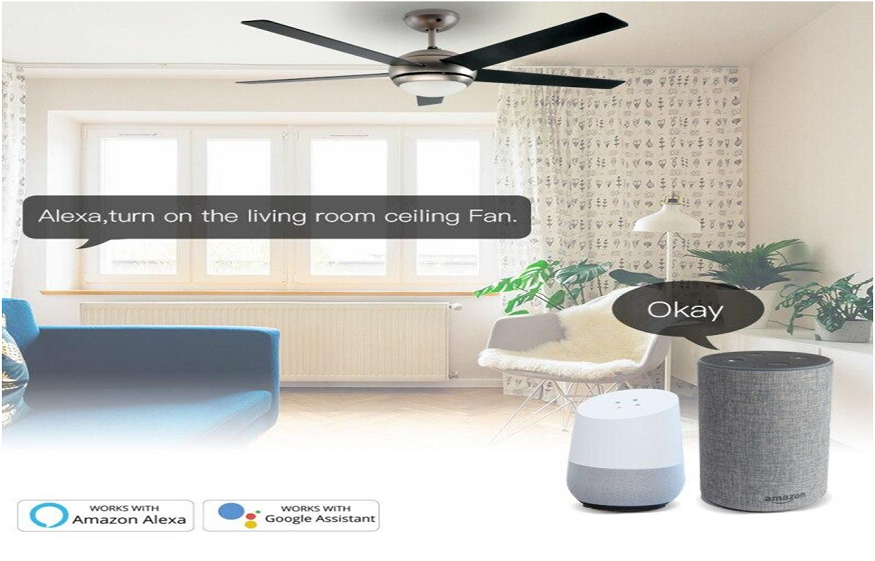
Technology has transformed the way we interact with everyday appliances, and ceiling fans are no exception. Today’s smart fans are no longer just about spinning blades—they’re intelligent devices that can be controlled, automated, and optimized for comfort and efficiency.
If you’ve been exploring modern types of fan, you’ve likely come across smart or IoT-enabled fans. But how exactly do they work with home automation systems? And are they worth the investment? In this blog, we’ll break it down in a simple and practical way.
What Is a Smart Fan?
A smart fan is a ceiling fan equipped with advanced technology that allows it to connect to your home network and interact with other smart devices.
Unlike traditional fans, smart fans can:
- Be controlled via smartphone apps
- Respond to voice commands
- Adjust speed automatically
- Integrate with home automation systems
Many premium models marketed as the best ceiling fan in India now come with built-in smart features, making them a popular choice for modern homes.
Key Components of a Smart Fan System
To understand how smart fans work, it helps to know the main components involved:
1. Wi-Fi or Bluetooth Connectivity
Smart fans connect to your home network using Wi-Fi or Bluetooth. This allows you to control them remotely through apps or smart home platforms.
2. Mobile Application
Most smart fans come with a dedicated mobile app where you can:
- Turn the fan on/off
- Adjust speed levels
- Set timers and schedules
3. Remote Control
Even with smart features, many fans still include a remote for convenience.
4. Sensors
Some advanced models include sensors for:
- Temperature
- Humidity
- Motion
These sensors enable automation based on environmental conditions.
Read More: HOME COLOUR PAINTING MISTAKES NO ONE TALKS ABOUT (BUT EVERYONE MAKES ONCE)
How Smart Fans Integrate with Home Automation Systems
Smart fans truly shine when connected to a home automation ecosystem. Here’s how the integration works:
1. Connecting to a Smart Hub or App
Smart fans can be linked to platforms like:
- Google Home
- Amazon Alexa
- Apple HomeKit
Once connected, the fan becomes part of your smart home network and can be controlled alongside other devices.
- Voice Control
One of the most popular features is voice control. You can simply say:
- “Turn on the fan”
- “Set fan speed to medium”
- “Turn off the bedroom fan”
This hands-free convenience is a major upgrade from traditional types of fan.
- Automation and Scheduling
Smart fans allow you to create automated routines such as:
- Turning on the fan at a specific time
- Adjusting speed based on room temperature
- Switching off when no one is in the room
For example, your fan can automatically start when the temperature rises and stop when the room cools down.
- Integration with Other Smart Devices
Smart fans can work in sync with other devices like:
- Smart lights
- Air conditioners
- Smart thermostats
You can create scenes like “Good Night” where:
- Lights turn off
- Fan slows down
- AC adjusts temperature
This level of coordination enhances comfort and energy efficiency.
Read More: DESIGNING FOR WELLNESS: HOW YOUR HOME’S LAYOUT CAN IMPROVE MENTAL HEALTH
Benefits of Smart Fans
Convenience
Control your fan from anywhere using your phone or voice commands.
Energy Efficiency
Smart fans optimize usage by running only when needed, helping reduce electricity bills.
Customization
Set personalized schedules and preferences for different times of the day.
Enhanced Comfort
Automatic adjustments ensure consistent airflow and temperature control.
Modern Living Experience
Smart fans elevate your home into a connected, intelligent space.
Are Smart Fans Worth It?
If you’re upgrading your home or building a smart ecosystem, smart fans are definitely worth considering. While they may cost more than traditional models, the added convenience and energy savings make them a valuable investment.
Many brands offering the best ceiling fan in India now include smart features as standard, making them more accessible than ever.
Things to Consider Before Buying a Smart Fan
Before choosing a smart fan, keep these factors in mind:
Compatibility
Ensure the fan works with your preferred smart home platform (Alexa, Google Home, etc.).
Connectivity
Check whether it uses Wi-Fi or Bluetooth and ensure stable network coverage.
Features
Look for features like scheduling, sensors, and app control.
Security
Choose trusted brands to ensure data privacy and secure connections.
Smart Fans vs Traditional Fans
| Feature | Smart Fans | Traditional Fans |
| Control | App + Voice | Manual/Regulator |
| Automation | Yes | No |
| Energy Efficiency | High (especially BLDC) | Moderate |
| Convenience | Very High | Basic |
While traditional types of fan still serve their purpose, smart fans clearly offer a more advanced and user-friendly experience.
The Future of Smart Fans
The future of ceiling fans is closely tied to smart home technology. We can expect:
- AI-based automation
- Better integration with smart ecosystems
- Enhanced energy-saving features
- More affordable smart options
As technology evolves, smart fans will likely become the standard rather than the exception.
Final Thoughts
Smart fans are redefining how we experience comfort at home. By integrating seamlessly with home automation systems, they offer unmatched convenience, efficiency, and control.
With the growing popularity of advanced types of fan, upgrading to a smart fan is a step toward modern living. Whether you’re looking for convenience, energy savings, or a futuristic home setup, smart fans deliver on all fronts.
If you’re searching for the best ceiling fan in India, consider exploring smart options—they’re not just a luxury anymore, but a practical upgrade for today’s connected lifestyle.