
Understanding Hard Water to Soft Water Converters: Benefits and Solutions for Your Home
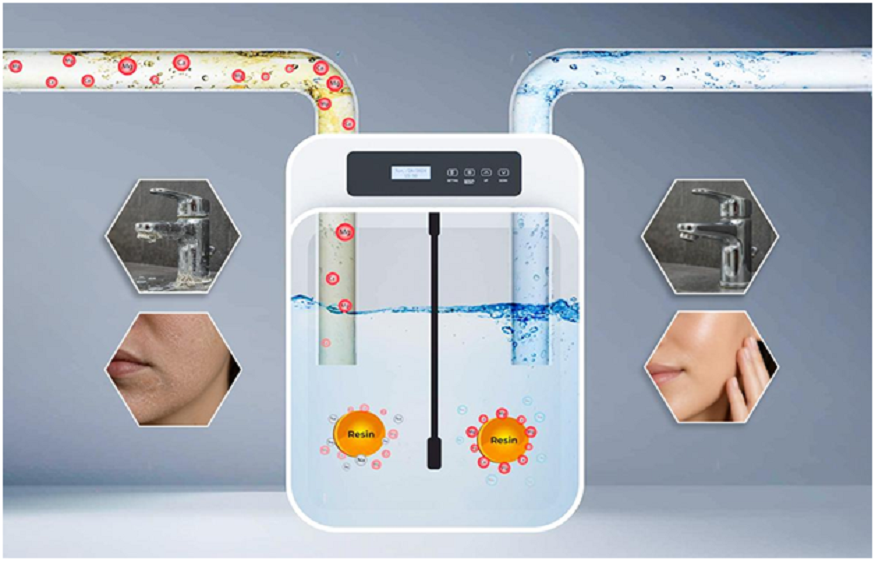
Many households experience hard water problems every day without fully realising the cause behind them. White stains on taps, soap marks on bathroom tiles, stiff clothes after washing, and dry skin after bathing are often treated as common household issues. However, these are usually signs that the water used at home contains high levels of minerals such as calcium and magnesium.
Over time, hard water can affect different parts of the house, from bathroom fittings and kitchen surfaces to plumbing systems and appliances. It can also make regular cleaning more difficult because soap and detergents fail to produce lather as effectively in mineral-heavy water.
This is where hard water to soft water converters, also known as water softeners, become useful. They are designed to reduce hardness-causing minerals in the water supply, minimising scaling, improving water usability, and making everyday household maintenance more manageable.
Read More : HOW SMART FANS WORK WITH HOME AUTOMATION SYSTEMS
Understanding how these systems work and the benefits they offer can help homeowners choose a solution that suits their water conditions and household needs more effectively.
How Does Hard Water Affect Homes?
Hard water is not usually harmful, but it can create everyday inconveniences, which is why many households consider installing a water softener system.
Some of the usual effects of hard water include:
1. Limescale buildup on the plumbing system or in appliances
When hard water is heated, minerals such as calcium and magnesium can crystallise and form limescale deposits inside geysers, dishwashers and washing machines. Over time, this buildup results in:
- Reduced water flow in pipes
- Lower efficiency of geysers and heating appliances
- Shortened lifespan of household appliances
2. Stains on surfaces
Hard water can leave mineral residue behind during regular use, leading to white stains on bathroom tiles, taps, glass surfaces, and wash basins. These deposits can make cleaning more difficult and often require extra scrubbing to remove.
3. Impact on skin and hair
Mineral deposition reacts with soap to form a stubborn film that strips away natural oils, making skin dry. In the case of hair, soap scum residue prevents products from producing proper lather, leading to frizzy hair.
4. Soap and detergents
Hard water reacts with soap and detergents, reducing their ability to form lather effectively. As a result, larger amounts of soap or detergent may be needed for everyday cleaning and washing tasks.
After understanding the effects of hard water, let us see how a hard water to soft water converter works and the potential benefits it can offer households.
The Working Mechanism of the Hard Water to Soft Water Converter
Water softener systems work through a process called ion exchange, in which hardness-causing minerals such as calcium and magnesium are replaced with sodium.
When hard water passes through the system, specially designed resin beads attract and hold calcium and magnesium ions while releasing sodium ions into the water. This process helps reduce water hardness, making the water softer for household use.
Here are some of the common benefits of a water softener system:
1. Reduces scaling on bathroom and kitchen surfaces
Softened water reduces mineral content, which can reduce scaling and mineral deposits on bathroom and kitchen surfaces.
2. Improves soap and detergent performance
Soap, shampoo, and detergents generally lather better in soft water, making cleaning and rinsing more effective during bathing, laundry, and utensil washing.
3. Helps protect appliances and plumbing systems
Reduced mineral buildup inside geysers, washing machines, and pipes can help lower maintenance requirements and improve appliance efficiency over time.
4. Makes laundry feel gentler
Many homeowners notice that softened water feels gentler on the skin and hair, while clothes and towels may feel softer after washing.
Conclusion
Choosing a hard water to soft water converter is not only about dealing with visible stains or scaling. It is also about improving how water functions across everyday household activities, from bathing and cleaning to maintaining appliances and plumbing systems.
Read More : HOME COLOUR PAINTING MISTAKES NO ONE TALKS ABOUT (BUT EVERYONE MAKES ONCE)
Since water conditions vary from one home to another, there is no single solution that suits every household. Understanding your water source, usage requirements, and maintenance expectations can help you select a system that works effectively over the long term. A suitable water softener system can contribute to cleaner surfaces, easier maintenance, and smoother day-to-day household activities